
In a globalized world, industrialization is a critical factor for the sustainable economic development of any region. Latin America, with its wealth of natural resources, strategic geographic position, and diverse workforce, has the potential to transform into a global industrial epicenter. This blog examines the region’s capabilities, future opportunities, and the strategies needed to make this dream a reality.

The Potential of Latin America
- Abundance of Natural Resources The region is rich in minerals, renewable energies, agricultural products, and biodiversity. These resources provide a solid foundation for developing industries such as sustainable mining, clean energy, and the manufacture of value-added food products.
- Geographic Advantage Latin America is strategically located between two of the world’s largest markets: the United States and the European Union. Additionally, its proximity to the Asia-Pacific region makes it an ideal bridge for intercontinental trade.
- Competitive Workforce With a young and growing population, the region has access to an abundant and economically competitive workforce. However, significant investment in education and training is crucial to close the technological skills gap.
Examples of Industrial Progress
Renewable Technologies in Chile: Chile leads in solar and wind energy, establishing models for the export of clean technologies.
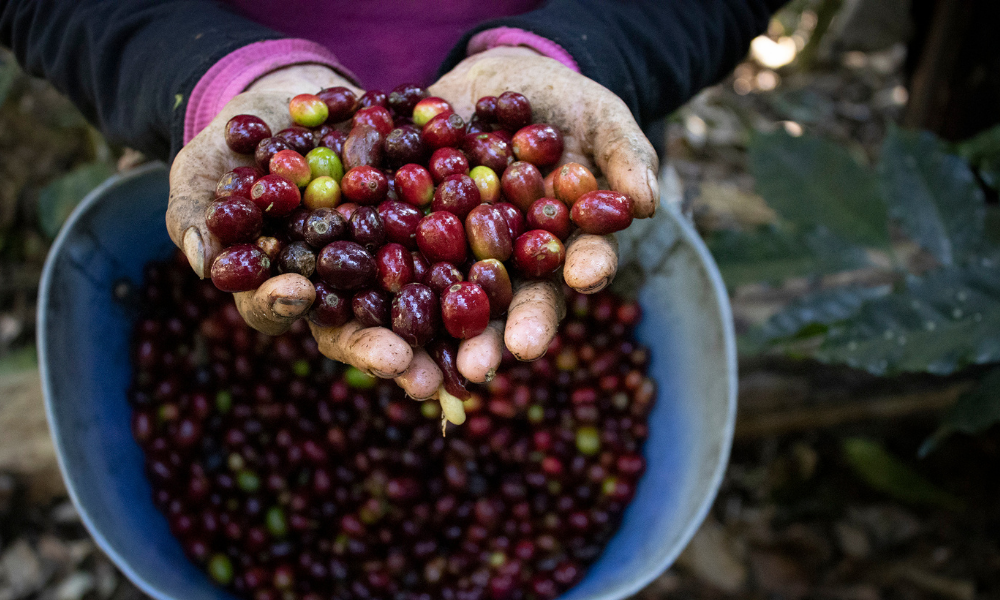
Roasted and Packaged Coffee at Origin: Colombia has implemented innovative logistical models that allow coffee to be roasted and exported directly from farms, ensuring freshness and eliminating intermediaries.
Automotive Industry in Mexico: The country has established itself as a leader in the manufacture of vehicles and auto parts, integrating into global value chains.

Strategies to Turn Latin America into an Industrial Hub
Sustainability as a Priority Industries must align with the Sustainable Development Goals (SDGs), adopting environmentally friendly practices.
Investments in Infrastructure Investments should focus on transportation, energy, and telecommunications to facilitate industrial logistics and trade.
Promotion of Innovation Government programs and public-private partnerships can promote research and development (R&D), encouraging the adoption of advanced technologies.
Trade Policies Free trade agreements and strategies to reduce tariff barriers are essential for accessing new markets.

Future Opportunities
- Nearshoring: International companies seek to diversify their supply chains, which could benefit Latin America as a destination for new industrial investments.
- Superfoods and Processed Agricultural Products: Products like quinoa, avocado, and specialty coffee have a growing global market.
- Industry 4.0: The adoption of technologies such as artificial intelligence, IoT, and blockchain can revolutionize industrial production in the region.
Future Challenges
Environmental Sustainability Integrating sustainability principles into industrialization will be critical to meeting international standards and attracting environmentally conscious consumers.
Economic Diversification While the region focuses heavily on exporting raw materials, the challenge lies in diversifying its economy towards higher value-added sectors.
Adapting to Technological Changes The speed of global technological change requires substantial investments in digital infrastructure and human capital training.
Political and Economic Stability Instability in some countries within the region can deter international investors, highlighting the need to strengthen democratic institutions and economic policies.
International Competition With global powers such as China and India rapidly advancing in industrialization, Latin America faces the challenge of differentiating its products and enhancing global competitiveness.
OUR PRODUCTS
OUR Blog
Incoterms 2025: La Guía Definitiva para Emprendedores Latinoamericanos en Comercio Exterior
En el competitivo mundo del comercio internacional, los Incoterms (International Commercial Terms) son herramientas esenciales para garantizar claridad y seguridad en las transacciones entre compradores y vendedores. Sin embargo, para muchos emprendedores latinoamericanos que buscan expandir sus negocios al mercado global, comprender y aplicar estos términos puede ser un verdadero desafío. La falta de conocimiento…

Latinoamérica: El Potencial de Convertirse en un Centro Industrial Mundial
En un mundo globalizado, la industrialización es un factor determinante para el desarrollo económico sostenible de cualquier región. Latinoamérica, con su riqueza de recursos naturales, posición geográfica estratégica y fuerza laboral diversa, tiene el potencial de transformarse en un epicentro industrial global. Este blog analiza las capacidades de la región, las oportunidades futuras y las…
Port Infrastructure and Logistics 4.0 in Latin America
Boosting Competitiveness Through Innovation and Digitalization Port infrastructure is a key pillar for Latin America’s economic growth. In an increasingly globalized world, Logistics 4.0 is emerging as the solution to optimize processes, reduce costs, and improve the region’s competitiveness in international trade. Below, we explore how port modernization, the adoption of new technologies, and the…
 UKUKU
UKUKU 
Deja un comentario