
With Donald Trump back in the U.S. presidency, concerns are mounting over a potential new global trade war, especially regarding the tariffs he proposes on imports. His plan includes a general tax of between 10% and 20% on all imported goods and a 60% tariff on Chinese products. These policies aim to protect the U.S. economy but may have far-reaching implications for global economies, particularly affecting trade relations with China.
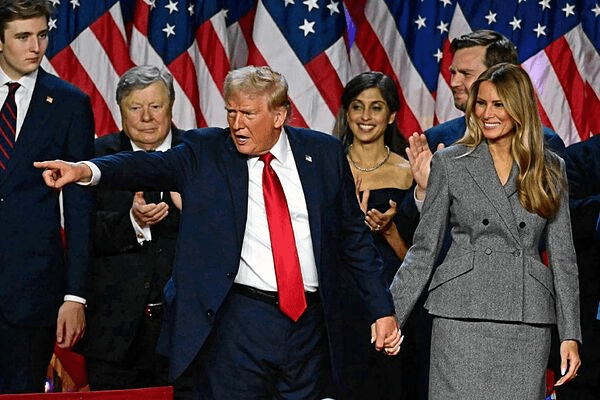
Economic Outlook: Impact of Trump’s New Tariffs on the Global Economy
The proposed tariffs come at a sensitive time for the global economy. According to the International Monetary Fund (IMF), increased tariffs could destabilize economies that rely on foreign trade with the U.S. and China, and raise global inflation, affecting consumer goods and essential raw materials. In the U.S., the Federal Reserve also noted that these tariffs could increase domestic inflation if additional costs are passed on to consumers.
Details of the New Tariffs
- General Tariffs of 10% to 20%: Trump has proposed general tariffs on all imported goods, impacting consumer products and industrial materials, raising the cost of imports and affecting both consumers and U.S. industries reliant on international supplies.
- 60% Tariff on Chinese Imports: Trump plans a 60% tariff on all Chinese imports, aimed at reducing U.S. dependence on Chinese goods. However, this move could lead to Chinese retaliation, impacting various sectors of U.S. exports.
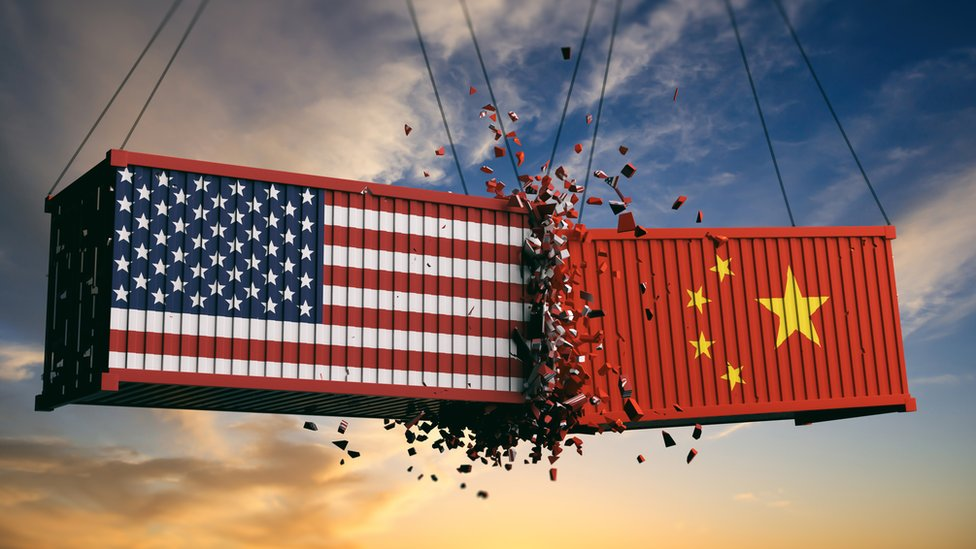
China’s Potential Response to New Tariffs
China, the largest importer of U.S. agricultural products, may redirect its demand to other major producers like Brazil and Argentina. This happened during the 2018 trade war, when China imposed tariffs on U.S. agricultural products, resulting in over $27 billion in losses for American farmers.

Impact on Latin America: Opportunities and Challenges
For Latin America, these developments present both opportunities and challenges:
- Benefits for Latin America’s Agricultural Sector: Brazil and Argentina could benefit from China’s shift to alternative suppliers, boosting exports and raising agricultural product prices.
- Risks for Manufacturing Exports: Latin American countries exporting manufactured goods to the U.S. may see their competitiveness diminish in this key market due to higher entry costs and a potentially more closed U.S. market.
- Expansion into New Markets: This scenario opens opportunities for Latin America to establish itself as a reliable supplier to China and other countries, diversifying its exports amid a more uncertain global trade environment.
Conclusion: A New Era of Trade Protectionism?
Trump’s policies signal a shift toward protectionism that could reshape global trade. Although these tariffs might benefit some U.S. sectors, they are likely to adversely affect American consumers and agriculture, which relies heavily on exports to China. For Latin America, these policies offer a significant opportunity to expand exports to China and other markets, seizing demand for agricultural goods. However, the region must also prepare to adjust its strategies to remain competitive in a more challenging U.S. market.
For Latin American companies looking to navigate these changes, UKUKU Export offers strategic consultancy services to help businesses adapt to evolving trade policies and seize opportunities in international markets. Understanding the impact of these policies will be crucial to thriving in a complex and competitive trade environment.
Our Products
Our Blog
Incoterms 2025: La Guía Definitiva para Emprendedores Latinoamericanos en Comercio Exterior
En el competitivo mundo del comercio internacional, los Incoterms (International Commercial Terms) son herramientas esenciales para garantizar claridad y seguridad en las transacciones entre compradores y vendedores. Sin embargo, para muchos emprendedores latinoamericanos que buscan expandir sus negocios al mercado global, comprender y aplicar estos términos puede ser un verdadero desafío. La falta de conocimiento…

Latin America: The Potential to Become a Global Industrial Hub
In a globalized world, industrialization is a critical factor for the sustainable economic development of any region. Latin America, with its wealth of natural resources, strategic geographic position, and diverse workforce, has the potential to transform into a global industrial epicenter. This blog examines the region’s capabilities, future opportunities, and the strategies needed to make…
Latinoamérica: El Potencial de Convertirse en un Centro Industrial Mundial
En un mundo globalizado, la industrialización es un factor determinante para el desarrollo económico sostenible de cualquier región. Latinoamérica, con su riqueza de recursos naturales, posición geográfica estratégica y fuerza laboral diversa, tiene el potencial de transformarse en un epicentro industrial global. Este blog analiza las capacidades de la región, las oportunidades futuras y las…
 UKUKU
UKUKU 
Deja un comentario