
In a world where consumers are increasingly concerned with the origin and quality of the products they consume, products must offer more than just quality; they must provide safety, transparency, and sustainability. Today, especially in sectors like food and beverages, certifications of origin and traceability have become essential pillars for entering demanding international markets. This article explores how certifications and traceability, far from being simple bureaucratic requirements, are powerful tools that foster consumer confidence and help exporters succeed in competitive markets like the European Union, the United States, and China.

The Importance of International Certifications: Beyond Labels
Certification of origin and sustainability is much more than just a document or label on a package. Globally, these certificates prove that products meet regulations and standards that safeguard quality, origin, respect for the environment, and fair production practices. In agricultural sectors such as coffee, cacao, and fresh products, certifications like Rainforest Alliance, Fair Trade, and USDA Organic are essential for entering and staying in international markets.
Each certification has a specific purpose. The certificate of origin validates that the product is genuinely from a specific region, ensuring authenticity and supporting trade agreements between countries. At UKUKU Export, we understand the importance of these certifications and their ability to give products a competitive edge over uncertified competitors.
In addition to the certificate of origin, sustainability certifications like Rainforest Alliance ensure that the production process respects ecosystems, promotes biodiversity, and provides decent working conditions. Global consumers are increasingly willing to pay a premium for products that demonstrate this level of commitment, and these certifications have become a standard in the food and beverage sectors.
Traceability: Transparency and Trust Along the Supply Chain
Traceability, or the ability to trace a product from its origin to the final consumer, is a growing requirement in the supply chain. This system allows each step in a product’s lifecycle to be documented, providing consumers with confidence about production processes, transportation, and storage conditions.
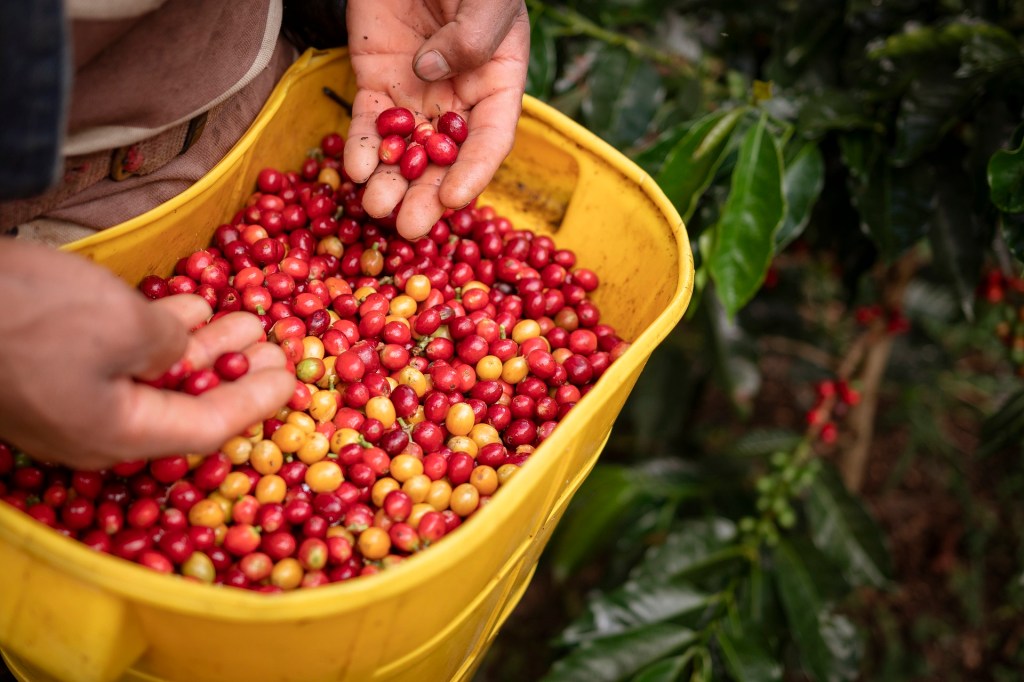
In markets such as the European Union and China, traceability is not just an advantage but a mandatory requirement. For products like coffee and cacao, importers and regulators demand the ability to verify that the product meets specific standards from cultivation to final processing. This involves documenting aspects like seed origin, use of fertilizers and pesticides, harvesting practices, and post-harvest treatment. At UKUKU Export, we understand that implementing a traceability system can be complex, especially for small and medium producers, and we have launched an advisory program designed to guide companies through this process.
Challenges and Benefits of Implementing Traceability in International Markets
Implementing full traceability poses logistical and technological challenges. Producers must invest in tracking systems, adjust internal processes, and train employees to meet these standards. Additionally, the associated costs can be significant, especially for small cooperatives and independent producers who often lack the necessary resources.
However, the benefits far outweigh the difficulties. Traceability allows exporters to offer transparency, which is increasingly valued by consumers. At the same time, it allows them to respond quickly in case of quality or safety issues, minimizing the impact on their operations. At UKUKU Export, we work alongside our clients to ensure that these traceability systems meet the strictest requirements, enabling our clients not only to access these markets but also to consolidate themselves through transparency and commitment.

The Advantages of Certification and Traceability Compliance: A Market Perspective
Meeting certification and traceability requirements offers significant advantages:
- Access to Premium Markets: The European Union, China, and the United States impose strict requirements, but they also offer access to consumers with higher purchasing power. Certification and traceability allow products to enter these markets with confidence.
- Brand Value Increase: Sustainability certifications and traceability enhance brand prestige, associating products with high ethical and quality standards. Today’s consumers prefer products they can track that have a positive impact on society and the environment.
- Risk Reduction: Traceability allows for rapid detection and resolution of quality issues, minimizing the risk of costly recalls and damage to brand reputation. This also benefits relationships with importers, who value their suppliers’ responsiveness in case of issues.
- Compliance with International Regulations: In regulated markets, meeting traceability and certification standards is not optional but a requirement. These regulations are designed to protect public health and the environment, and compliance ensures market permanence.
UKUKU Export’s Mission: Supporting Latin American Companies in the Export Process
At UKUKU Export, we understand the magnitude of the challenges Latin American companies face in international markets. Our commitment is clear: to offer advice and support so that each company meets certification and traceability requirements. Our advisory program is designed to guide entrepreneurs and businesses through every step of the process, from the necessary documentation to implementing effective traceability systems. We believe that each Latin American product that meets these standards represents not only quality but also the region’s commitment to responsible and sustainable practices.
Our Products

Products:
Our Blog
Incoterms 2025: La Guía Definitiva para Emprendedores Latinoamericanos en Comercio Exterior
En el competitivo mundo del comercio internacional, los Incoterms (International Commercial Terms) son herramientas esenciales para garantizar claridad y seguridad en las transacciones entre compradores y vendedores. Sin embargo, para muchos emprendedores latinoamericanos que buscan expandir sus negocios al mercado global, comprender y aplicar estos términos puede ser un verdadero desafío. La falta de conocimiento…

Latin America: The Potential to Become a Global Industrial Hub
In a globalized world, industrialization is a critical factor for the sustainable economic development of any region. Latin America, with its wealth of natural resources, strategic geographic position, and diverse workforce, has the potential to transform into a global industrial epicenter. This blog examines the region’s capabilities, future opportunities, and the strategies needed to make…
Latinoamérica: El Potencial de Convertirse en un Centro Industrial Mundial
En un mundo globalizado, la industrialización es un factor determinante para el desarrollo económico sostenible de cualquier región. Latinoamérica, con su riqueza de recursos naturales, posición geográfica estratégica y fuerza laboral diversa, tiene el potencial de transformarse en un epicentro industrial global. Este blog analiza las capacidades de la región, las oportunidades futuras y las…
 UKUKU
UKUKU 
Deja un comentario